
Field note
When the site is the product
Where do Motorola Solutions / Avigilon and Bosch create their deepest value?
Category: Vendor Stacks
Vendors in this piece: Motorola Solutions / Avigilon · Bosch Security and Safety
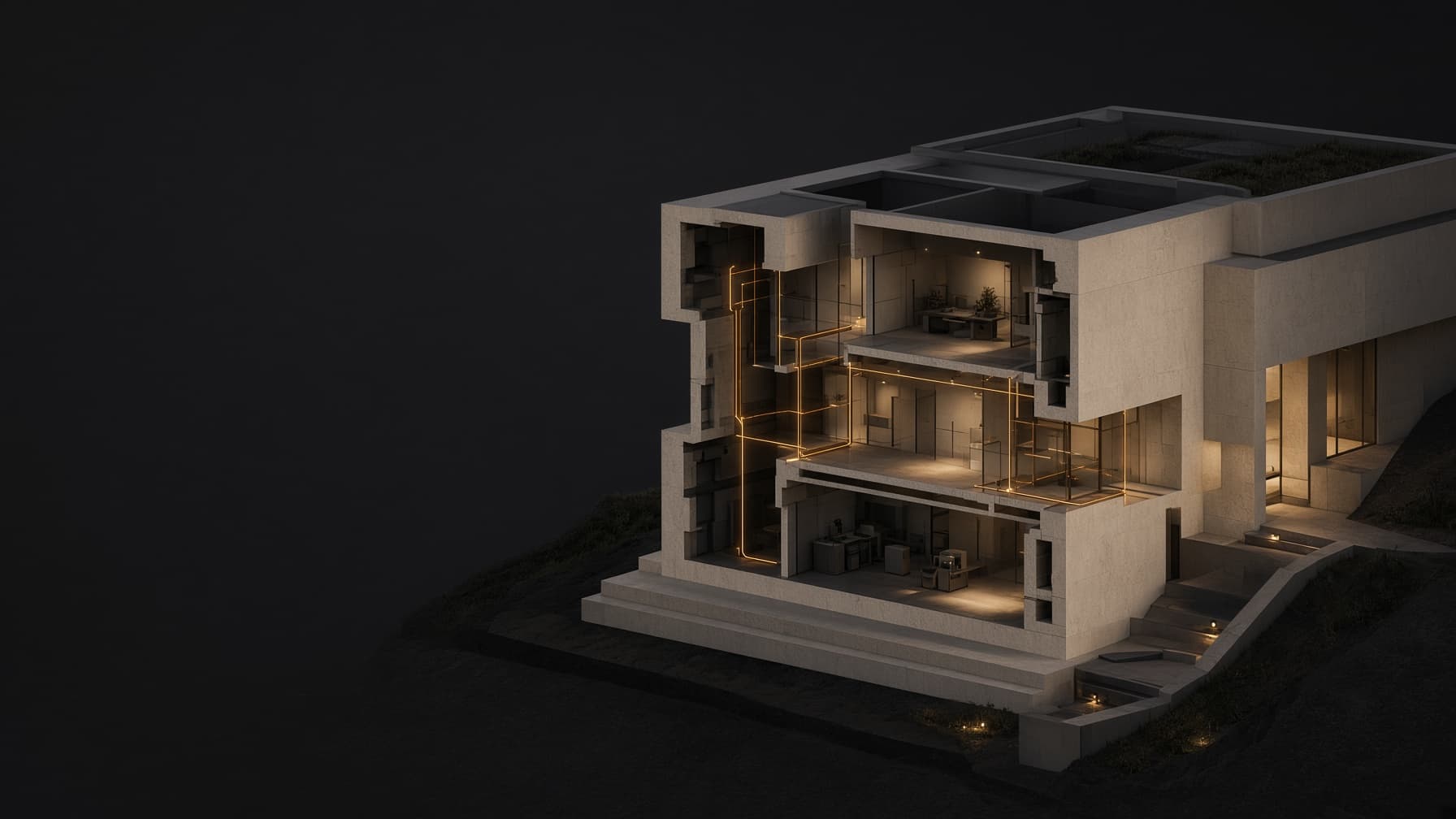
Some vendors create the deepest value inside what they manufacture. Cameras, software, analytics, support, and adjacent safety products are designed to pull the customer further into the same house.
That is the idea behind Motorola Solutions / Avigilon and Bosch Security and Safety. This is not the generic claim that everything integrates with everything. It is an Apple-like bet: the experience gets better as more of the site comes from the same maker.
Apple-like is not a compliment about design. It is a warning about gravity. Updates, roadmaps, support, and the easiest path all lean inward. That can be a feature when the organization wants fewer seams and one accountable vendor. It can be a constraint when the organization expects freedom it did not design or budget for.
Motorola Solutions / Avigilon: a house with a long reach
Motorola Solutions and Avigilon make more sense as a broad safety-and-security stack than as a collection of isolated products. Video and access sit closer to a larger world of operational software, communications, response, and support.
The value appears when video is not an orphan tool. A common product family can reduce awkward handoffs between interfaces, support teams, and workflows that were designed separately. Training and runbooks may become simpler. A multi-site organization may also prefer a vendor relationship built to carry deployment and support beyond a single building.
That depth comes with concentration. Product direction, pricing, support quality, and switching cost move together. "One throat to choke" only helps if contracts, staffing, and escalation paths actually make someone accountable during a crisis.
The customer also needs to decide how much of the house to adopt. A camera purchase does not capture the full stack's value, but adopting the full stack is not automatically wise. Lockdown authority, privacy rules, exceptions, and response posture still belong to the organization. A unified product experience does not transfer those decisions to the manufacturer.
The key buying question is not whether an Avigilon camera looks good in a demonstration. It is whether the site will benefit from Motorola's broader house and is willing to accept the roadmap gravity that follows.
Bosch: manufactured seriousness
Bosch brings a different version of the same idea. Its security and safety portfolio reflects a manufacturer with industrial DNA, spanning areas such as video, intrusion, fire, and access.
The house value here is less about a polished consumer-style experience and more about lifecycle thinking. Demanding sites need equipment and system patterns that facilities teams can understand, maintain, and support over time. They do not care how good the demonstration looked if the design becomes a collection of one-off exceptions two years later.
Keeping more of the environment inside a manufacturer's portfolio can simplify standards and reduce unusual combinations that no one fully owns. It can also connect security decisions to safety and operational concerns, where downtime affects more than the security budget.
Bosch does not remove the need for architecture judgment. A site still has to decide where standardization helps, where another product is necessary, and which human decisions remain outside automation. The point is not to fill a property with one logo. The point is to decide whether manufactured depth creates a more supportable site.
Buy the house honestly
A vendor stack should be evaluated as a deliberate commitment, not an accidental accumulation of products. Three questions usually expose the difference:
- Are we buying enough of the manufacturer's system to gain the promised depth, or creating another orphan product?
- Where must the environment remain flexible so the stack does not become a silo?
- Which decisions stay with our people regardless of how complete the product family looks?
The right house stack can reduce seams, simplify support, and create useful connections beyond traditional security operations. The wrong one can concentrate risk and make every future choice more expensive.
There is no honest way to buy the upside without acknowledging the gravity. Decide where the manufactured depth matters, where it does not, and who owns the consequences.